What is a Shot Blueprint, and how do you use one?
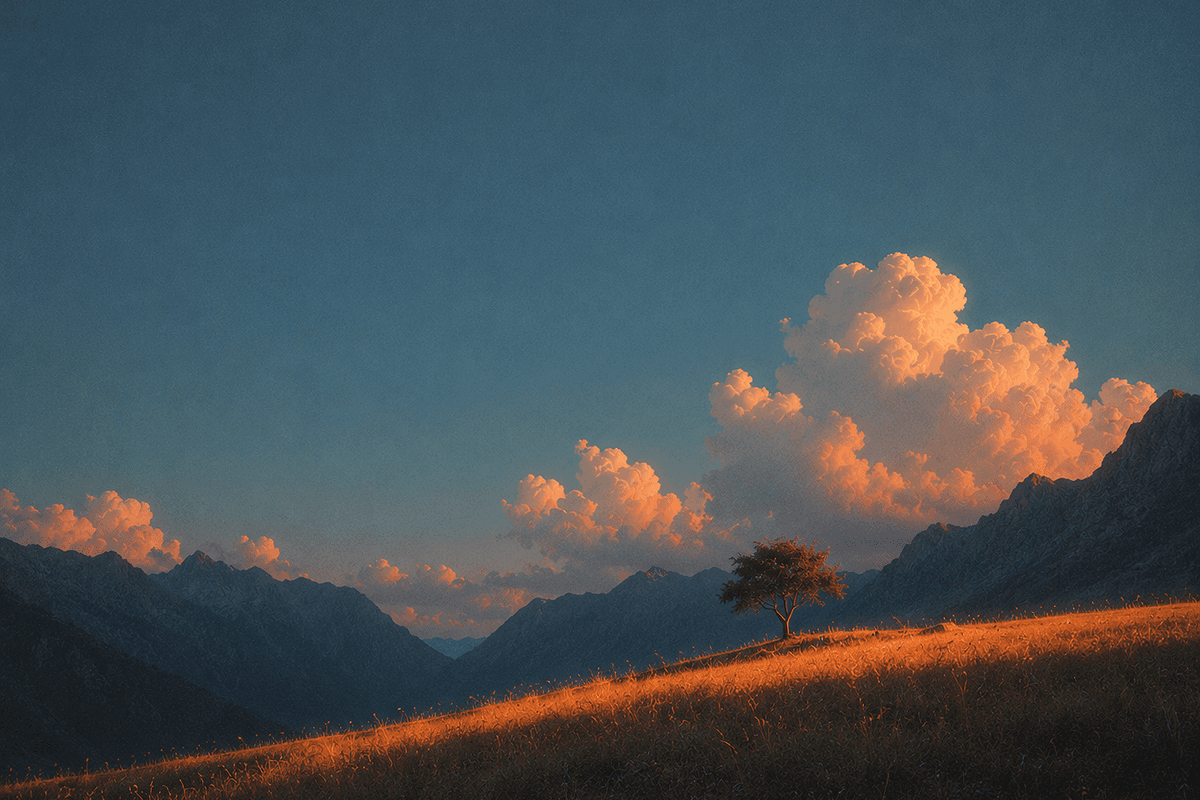
A great reference frame is only half the job. The other half is knowing what to actually do with it on set. A Shot Blueprint is Ceeniq's answer to that gap: it turns a still into a practical recreation plan. Here's what goes into one and how to shoot from it.
From analysis to plan
Every Ceeniq breakdown reads a frame's camera, composition, lighting, color, and mood. That tells you why a shot works. A Shot Blueprint goes one step further and tells you how to get there — it converts the read into decisions you can carry to set, with your own gear and budget.
What's inside a Shot Blueprint
A blueprint is organized around the choices you have to make on the day:
- Camera & lens — an approximate focal length and framing so the perspective and compression match the reference.
- Lighting plan — where the key, fill, and any rim or practical sources sit, and how hard or soft each one should be.
- Composition — how to place the subject and horizon, and what the frame is using to lead the eye.
- Color & grade — the palette and grade direction that give the frame its mood, so you can match it in-camera and in post.
How to shoot from one
Treat the blueprint as a starting point, not a checklist to copy pixel for pixel. Block your subject and camera first so the composition and lens feel right, then build the lighting one source at a time — key, then fill, then accents — checking each against the plan. Save the color work for last: get as close as you can in-camera, then finish the grade in post.
Why it matters
The distance between “I love this shot” and “I can shoot this shot” is where most references die. A blueprint closes it — the same reason a reference library alone was never quite enough, which we get into in our roundup of the best ShotDeck alternatives. If you want the underlying lighting read that feeds the plan, our guide to reading the lighting in any frame walks through it step by step.
Generate a Shot Blueprint
Upload a reference frame and turn it into a practical recreation plan — camera, lighting, composition, and grade.
Analyze a frame