The Ceeniq blog
Guides and comparisons on reading cinematography — how to break down lighting, composition, and color, and how to recreate the shots you love.
More posts
How to Reverse Engineer Cinematic Film Frames Like a Pro
Learn how to reverse engineer a cinematic film frame through camera, lighting, composition, color, and a practical recreation plan.
Matching Cinematic Color Grades in Lightroom and DaVinci Resolve
Move beyond generic presets. Read a reference frame's palette and tone, then use a tailored starting recipe in Lightroom or DaVinci Resolve.
How to Analyze and Recreate Lighting from Any Photograph
Study key light direction, fill, rim light, and practicals in a photograph, then turn those clues into a lighting setup you can test.
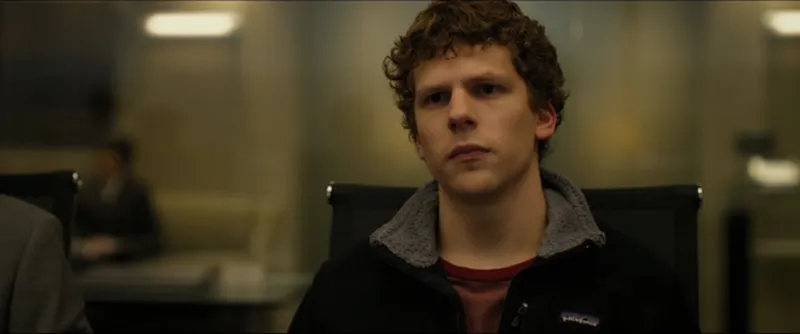
Comparing Frames: How to Match Shots for Seamless Editing
Improve visual continuity by comparing lens, lighting, and color across two frames and planning the changes needed to bring them closer.
The Ultimate Preflight Delivery Check for Photographers
Check color profile, exposure, file health, and privacy metadata before you send a finished photograph to a client or platform.
The best Cinematography Database alternatives in 2026
Cinematography Database is great for planning and learning — but not for taking a frame apart. Five alternatives for learning, previs, and analysis.
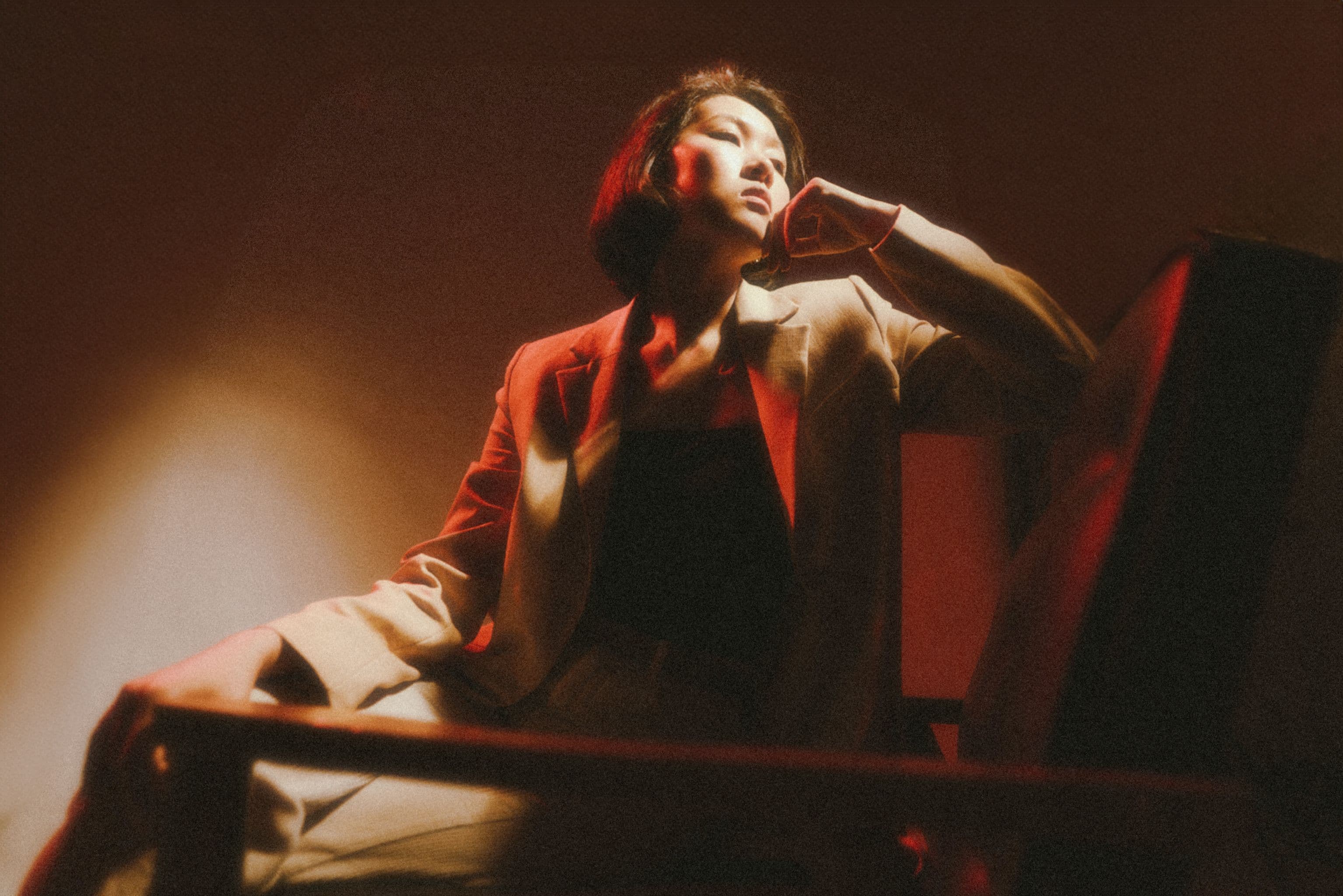
How to read the lighting in any film frame
A repeatable, five-step method for reverse engineering the lighting in a still — key, fill, ratio, quality, and motivation — with no gear list required.
Camera shot sizes explained: from extreme wide to close-up
A complete guide to camera shot sizes — extreme wide, wide, medium, close-up, and everything between — and what each one is best at.
The rule of thirds and 6 more composition techniques
Seven composition techniques cinematographers use to guide your eye — the rule of thirds, leading lines, framing, depth, negative space, and more.
What is a Shot Blueprint, and how do you use one?
A Shot Blueprint turns a reference frame into a practical recreation plan — camera, lens, lighting, and grade. Here's what goes into one and how to shoot from it.
How to read color grading in any film frame
A five-step method for reading the color grade in a still — palette, temperature, highlights and shadows, saturation, and the color story.
Ready to break down a frame?
Upload a still and get its camera, composition, lighting, color, and a recreation plan.
Analyze a frame